You want the blanket soft enough for newborn skin, tough enough to survive the washing machine at 2 a.m., and finished before the baby outgrows it. That's a lot to ask of one skein — and it's why "what yarn weight for a baby blanket?" is one of the most-asked questions in any yarn shop.
Here's the short answer up front: for most baby blankets, the best yarn weight is CYC #4 medium (worsted) or #3 light (DK). Worsted works up faster and is the friendliest choice for a first blanket; DK gives a softer, more heirloom drape at the cost of extra time. Everything else — fiber, color, exact yardage — hangs off that one decision. This guide walks you through why those two weights win, when to break the rule, and how to buy the right amount without a mid-project panic.
Quick Answer: #4 Worsted or #3 DK
If you remember nothing else, remember this pairing:
- #4 worsted (medium) — the default. Thick enough to grow quickly and hide slightly uneven tension, thin enough to stay soft and drapey against a baby. The widest selection of soft, machine-washable yarns lives at this weight. Best for a first baby blanket or a gift you need done in a few weekends.
- #3 DK (light) — the heirloom option. A touch finer, so the fabric drapes softer and looks more delicate, which suits christening blankets and keepsakes. It takes noticeably longer and shows tension wobbles a little more, so it rewards a maker with a few projects under their belt.
Both land in the sweet spot for baby: light enough that the finished blanket won't be heavy or too warm, substantial enough that it works up in a realistic timeframe. If you're a beginner and unsure, choose #4 worsted and don't look back.
Why Not Bulky, and Why Not Fingering?
The temptation with a deadline is to grab bulky yarn and finish in a weekend. Resist it for baby blankets, and here's the reasoning:
Heavier weights (#5 bulky and up) make a blanket that's thick, stiff, and warm. A #5 or #6 blanket has gaps between stitches you could lose a tiny finger in if worked loosely, less of the soft drape that makes a baby blanket cuddly, and enough warmth to risk overheating a newborn. Bulky is a wonderful choice for an adult throw or a stroller blanket meant for cold outings — but for an everyday, all-seasons baby blanket it's usually too much.
Lighter weights (#1 fingering, #2 sport) make gorgeous heirlooms — slowly. A fingering-weight baby blanket is a season-long labor of love with exquisite, lace-like fabric. If that's your intent, go for it. But as a practical, get-it-done gift, the yardage and stitch count climb steeply, and the fine yarn punishes uneven tension. Sport weight (#2) is a reasonable middle-ground for a lighter summer blanket if you want something between DK and fingering.
The pattern here is simple: baby blankets live in the middle of the weight scale because the middle is where softness, safety, and finishable timelines overlap.
How to Tell a Yarn's Weight (Reading the Label)
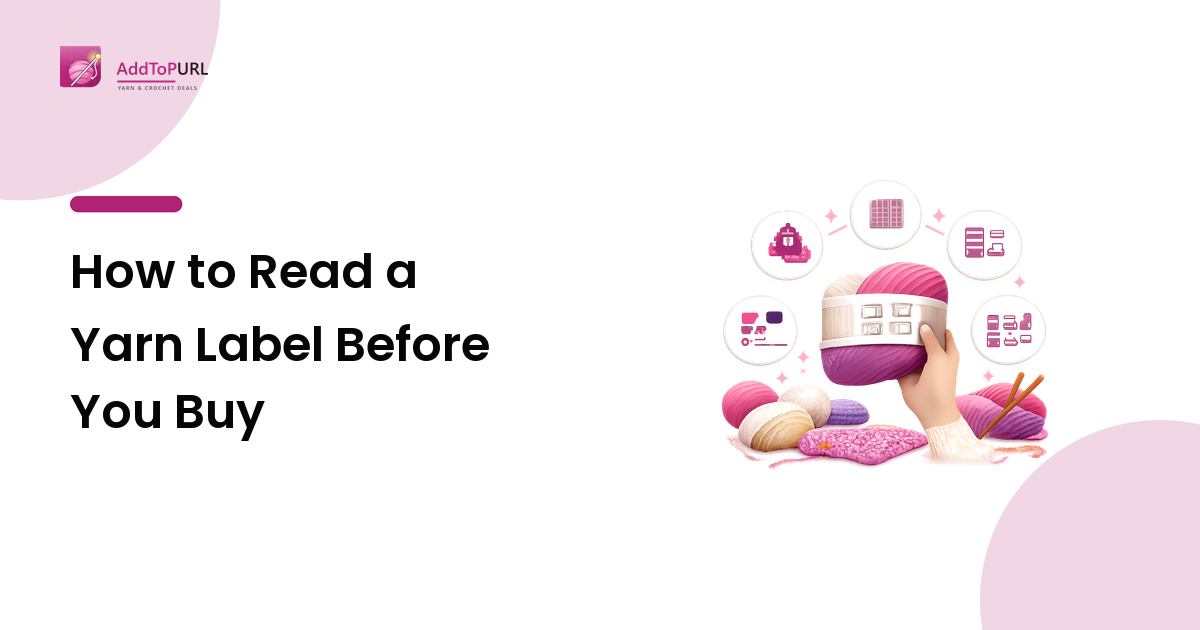
You don't have to guess a yarn's weight — it's printed right on the ball band. Every label carries the Craft Yarn Council (CYC) category, a standardized number from #0 (lace) to #7 (jumbo), usually inside a little skein symbol. For a baby blanket you're shopping for the #3 or #4 in that symbol.
A few label-reading habits that save grief:
- Match the words to the number. "DK" or "light" = #3; "worsted," "afghan," or "aran" = #4. If a label only gives a name, that name maps to the number.
- Check the recommended tool size. A #4 worsted typically lists roughly US 7–9 (4.5–5.5 mm) knitting needles or an H-8 to I-9 (5–5.5 mm) crochet hook; #3 DK sits a step smaller. These are starting points — adjust to hit the pattern's gauge.
- Read the gauge box. It states stitches per 4 in / 10 cm, which is the real fingerprint of a yarn's weight. Two skeins can share a category number and still differ slightly; the gauge box tells the truth.
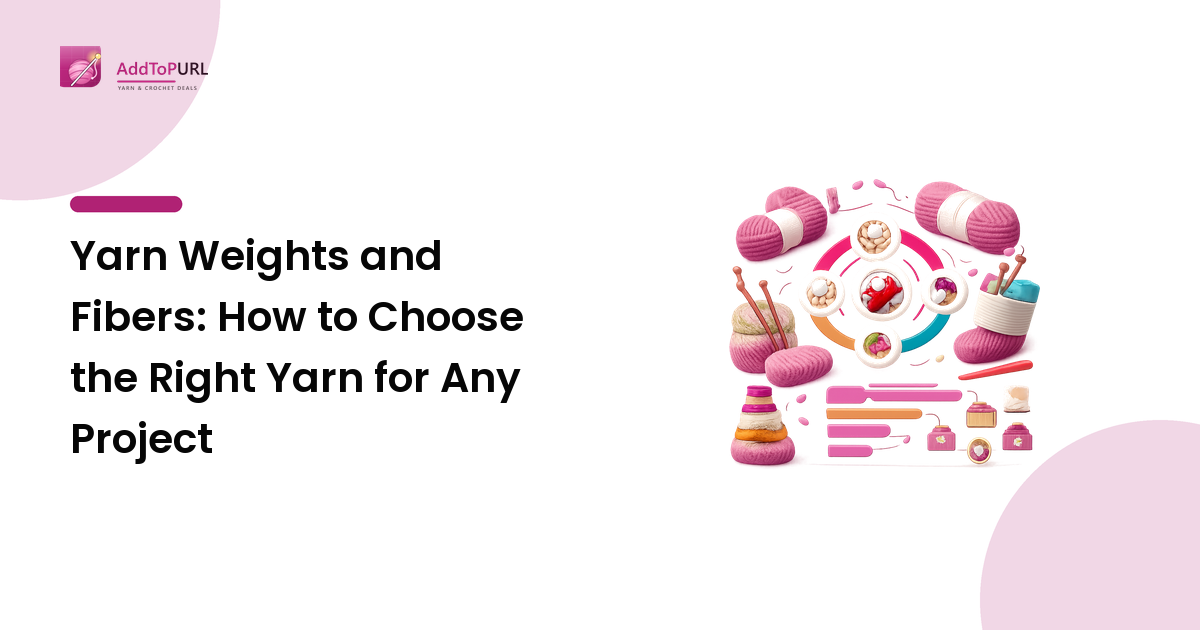
If you want the full walkthrough of every weight category and what the numbers mean, our complete guide to yarn weights and fibers breaks down the entire #0–#7 scale with a gauge table.
Fiber Matters as Much as Weight
Picking the weight is half the decision. The other half is fiber, because a baby blanket has two non-negotiable jobs: be gentle on delicate skin, and survive constant laundering. Three fibers earn their place here.
Acrylic (the practical default)
Machine washable, machine dryable, budget-friendly at blanket yardage, and available in every soft pastel and bright you could want. Modern baby-labeled acrylics are genuinely soft — far from the scratchy reputation the fiber earned decades ago — and hypoallergenic, which matters for a face-planting infant. For a gift going to a household with a newborn and a laundry pile, acrylic isn't a compromise; it's often the smartest choice. Look specifically for yarns marketed as "baby" or "soft" acrylic, which are spun for extra softness.
Cotton (breathable and washable)
Sturdy, breathable, and completely machine washable — cotton suits warm climates and summer babies where a wool or acrylic blanket might be too warm. It's a little less forgiving of uneven tension because it has no stretch, and a large cotton blanket carries some weight, but for a lightweight, breathable everyday blanket it's excellent. Mercerized cotton adds a soft sheen.
Superwash wool and wool blends (soft with structure)
Standard wool felts in the wash, so plain wool is a poor baby-blanket choice. Superwash wool is treated to survive the machine, giving you wool's natural softness, warmth, and springy stitch definition with real-life washability. A wool–acrylic blend is a lovely middle path: warmth and bounce from the wool, durability and easy care from the acrylic, usually at a friendlier price than pure superwash. Choose merino or a "next-to-skin soft" blend rather than a rustic heritage wool.
The washability rule is absolute: a baby blanket must be machine washable. Confirm the care symbols on the label before you buy. A hand-wash-only heirloom is a beautiful thing and a burden to a new parent — decide that trade-off deliberately, not by accident.
How Much Yarn to Buy
Nothing stings like running out two rows from the bind-off with the dye lot sold out. Two minutes of math prevents it:
- Find your pattern's total yardage for the size you're making — a good pattern states it.
- Divide by the yardage per ball printed on your yarn's label.
- Round up, then add one extra ball for insurance (swatching, mistakes, and yardage variance).
As a rough planning figure when you don't have a pattern yet, a receiving-blanket-sized baby blanket (about 30 x 30 in / 76 x 76 cm) commonly needs somewhere in the neighborhood of 700–1,000 yards of worsted, and a larger crib-sized blanket meaningfully more; crochet eats roughly 25–30% more yardage than knitting for the same area, so buy accordingly. Always buy all your balls at once and check that the dye lot number matches across them — the same color can shift visibly between lots, and a blanket is large enough to show the seam.
Matching Weight to Your Timeline and Skill
Use this quick decision path:
- Beginner, needs it soon, gift for daily use → #4 worsted, soft acrylic or wool–acrylic blend. Fastest, most forgiving, fully washable.
- Some experience, wants a softer heirloom look → #3 DK, superwash merino or a merino blend. Slower, more delicate, still washable.
- Warm climate or summer baby → #3 DK or #4 worsted in cotton or a cotton blend for breathability.
- Special keepsake, time is no object → #2 sport or #1 fingering for lace-like heirloom fabric — an advanced, patient project.
Whichever you choose, swatch first if you're following a sized pattern. Work a square at least 6 in / 15 cm wide, wash and dry it exactly as the finished blanket will be treated, then measure the center 4 in / 10 cm against the pattern's gauge. If you're off, change your hook or needle size — not your natural tension. Thirty minutes of swatching protects thirty hours of blanket.
FAQ
What is the best yarn weight for a crochet baby blanket?
The same #4 worsted or #3 DK that works for knitting — the CYC weight categories apply to both crafts. Crochet fabric tends to be a bit denser and uses more yardage than knitting for the same area, so worsted is an especially popular crochet-blanket choice because it grows quickly. Buy roughly 25–30% more yardage than a knit pattern of the same size would call for.
Is #4 worsted too heavy for a newborn blanket?
No — worsted is a mid-weight yarn and makes a soft, drapey, all-seasons blanket, not a heavy one. "Heavy" and "too warm" become concerns at #5 bulky and above. If you want something lighter and airier, step down to #3 DK or #2 sport rather than up.
Can I use bulky yarn to finish a baby blanket faster?
You can, but for an everyday newborn blanket it's usually not ideal: bulky fabric is thicker, warmer, and has larger gaps between stitches. Save #5–#6 bulky for a stroller or car-seat blanket meant for cold outings, where the extra warmth and speed are features rather than drawbacks.
What's the softest yarn for a baby blanket?
Softness comes from fiber more than weight. Baby-labeled acrylics, superwash merino, and cotton are all dependable next-to-skin choices. In a shop, press a strand against your inner wrist or neck (far more sensitive than fingertips). Online, look for "baby," "next-to-skin soft," or merino content, and consider a single-ball test before committing to blanket quantities.
How do I tell what weight a mystery skein from my stash is?
Check the ball band's CYC number and gauge box first. No label? Compare the strand thickness against a known yarn, or wrap it snugly around a ruler and count wraps per inch — thicker yarns wrap fewer times per inch. For a baby blanket, aim for a yarn in the DK-to-worsted range.
Ready to pick your skein? Once you've settled on #3 DK or #4 worsted in a soft, washable fiber, the last step is finding it at a fair price. Compare curated baby-friendly yarns and current deals on AddTopURL — listings are organized by weight, fiber, and budget, and each one links out to a trusted retailer so you can shop your shortlist instead of the whole wall. Disclosure: AddTopURL earns a commission when you buy through its retailer links; it never changes what we recommend.