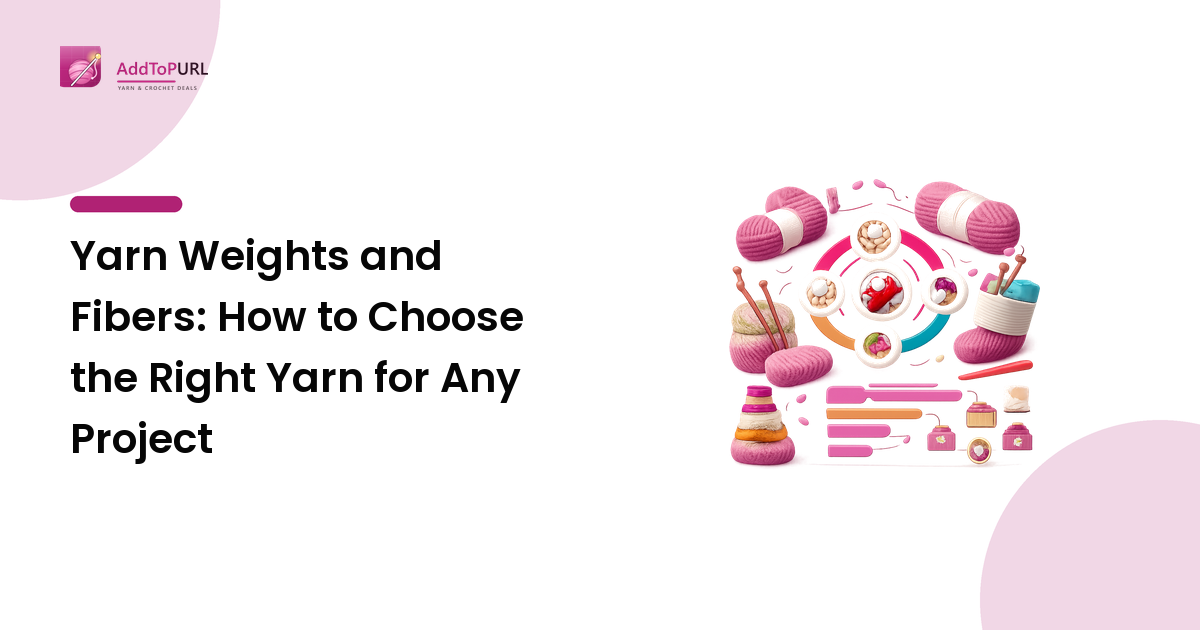
Choose wool when you want warmth, stretch, and a garment that blocks into shape; choose cotton when you want coolness, crisp stitch definition, and weight that drapes downward; choose acrylic when you want machine washability, hard wear, and the lowest cost per yard. Most projects have one obvious winner, and the deciding factor is almost always elasticity plus how the piece will be washed.
Those three fibers cover the overwhelming majority of yarn on any shelf, and they behave so differently that swapping one for another mid-pattern can change a finished garment's size, weight, and hang. Below is the comparison in a single table, then the trade-offs that the table can't show, then a verdict for each common project.
How Do Wool, Cotton, and Acrylic Compare Side by Side?
This is the whole decision in one block. Ratings are relative to each other, not absolute — a well-spun acrylic beats a badly spun wool at nearly everything.
| Property | Wool (animal) | Cotton (plant) | Acrylic (synthetic) |
|---|---|---|---|
| Warmth for its weight | High — traps air, insulates even when damp | Low — conducts heat away, feels cool | Moderate — warm but less breathable |
| Elasticity / springiness | High — stretches and recovers | Very low — almost no recovery | Moderate — some memory, less than wool |
| Stitch definition | Good; can bloom soft after blocking | Excellent — crisp, sharp stitches | Good, but can look flat or shiny |
| Drape | Light, lofty, holds shape | Heavy; drapes and grows downward | Varies widely by spin |
| Weight of finished piece | Light | Heavy — noticeably so in blankets | Light to moderate |
| Blocking response | Wet-blocks and holds the new shape | Wet-blocks well; stays crisp | Does not hold a wet block; needs steam |
| Machine washable | Only if labeled superwash | Usually yes; may shrink first wash | Yes — the most forgiving |
| Hand feel over time | Softens with wear; can pill or felt | Softens; stays sturdy | Can pill; may go stiff on cheap spins |
| Breathability | Excellent | Excellent | Limited |
| Typical cost per yard | Highest | Middle | Lowest |
| Easiest on beginners' hands | Yes — forgiving, grippy, elastic | No — tiring, unforgiving of uneven tension | Yes — slick but cheap to redo |
Read the table by your constraint, not your preference. If the piece must survive a hot machine wash, acrylic or superwash wool answers the question before softness ever enters it. If the recipient has a wool sensitivity, that also settles it. Everything else is a trade.
Why Does Elasticity Matter More Than Softness?
Elasticity is the single property that most changes how a fabric behaves once it leaves your hooks or needles, and it's the one beginners weigh least.
Wool fibers are naturally crimped, so a wool stitch stretches under load and springs back. That's why wool ribbing hugs a cuff, why uneven wool stitches even out after blocking, and why a wool sweater carries its own weight without the shoulders dropping.
Cotton has essentially no crimp and no recovery: a cotton stitch that stretches stays stretched. That produces the fluid drape cotton is loved for in summer tops and market bags — and the sagging hemline in a long cotton cardigan left on a hanger. Cotton also has no give against your hands, so long sessions are harder on wrists; our guide to choosing knitting needles and crochet hooks covers which materials pair with slippery or grabby yarns.
Acrylic sits between the two and varies more than either, because "acrylic" describes a raw material, not a spin. A plied, tightly twisted acrylic can behave close to wool. A loosely spun budget acrylic can split, flatten, and pill. Judge acrylic by the ply and twist in the ball, not by the word on the label.
Which Fiber Blocks Best — and Which Can't Be Blocked?
Blocking is where the three fibers genuinely diverge, and it catches people out constantly.
- Wool is the blocking champion. Soaked, gently squeezed, and pinned to measurement, wool relaxes and then dries into the new shape and stays there. Lace opens up, cables settle, uneven tension disappears. Superwash wool has been treated to resist felting, which also means it blocks a little larger and can grow with wear — plan for that.
- Cotton wet-blocks well and dries crisp and square, which is why it's the traditional choice for anything grid-based. It won't be reshaped dramatically, but what you pin is what you get.
- Acrylic does not wet-block. The fibers have no scales or moisture uptake to reset, so a pinned acrylic piece springs back as it dries. The workaround is careful steam ("killing" acrylic), which permanently relaxes the fibers into a softer, drapier fabric — irreversible, and easy to overdo. Test on a swatch first.
Full wet-blocking, steam, and washing methods by fiber are in our blocking, washing, and care guide.
Which Yarn Fiber Should You Pick for Your Project?
Verdicts, with the reason attached to each:
Sweaters and cardigans — wool. Elasticity carries the garment's weight, keeps cuffs and hems snug, and lets blocking correct fit. Use superwash if the wearer won't hand-wash. Level: intermediate.
Baby blankets — acrylic or superwash wool. Washability outranks everything else here, and acrylic's light weight matters for a blanket a baby will be under. Our guide to the best yarn weight for a baby blanket covers weight and yardage alongside fiber.
Summer tops, tanks, and shawls — cotton or cotton blends. Coolness and downward drape are exactly what you want. Accept that the garment will grow a little in length. Level: intermediate.
Dishcloths, washcloths, market bags — cotton. Absorbent, hard-wearing, machine washable, and it doesn't mind heat. Level: beginner.
Amigurumi — cotton first, acrylic second. Stuffed toys need crisp stitch definition and a firm fabric that doesn't let stuffing show through. Cotton gives the sharpest stitches; acrylic is cheaper and washes easily. Wool's springiness works against you. Level: beginner to intermediate.
Hats, mittens, and socks — wool. Warmth, stretch, and recovery around a moving body. Sock yarn is usually wool with a nylon content for abrasion resistance. Level: intermediate.
Practice, charity, and volume projects — acrylic. Cheap enough to rip out repeatedly, grippy enough to see your stitches, and washable without thought. See our budget yarn crafting guide for price-per-yard math and how to tell a value yarn from a false economy.
Blends deserve a mention, because they exist to split these differences: wool-acrylic adds washability to wool, cotton-acrylic lightens cotton and softens the hand, and cotton-linen sharpens drape further.
How Do You Substitute One Fiber for Another in a Pattern?
Substituting fiber is riskier than substituting brand, because gauge alone won't protect you.
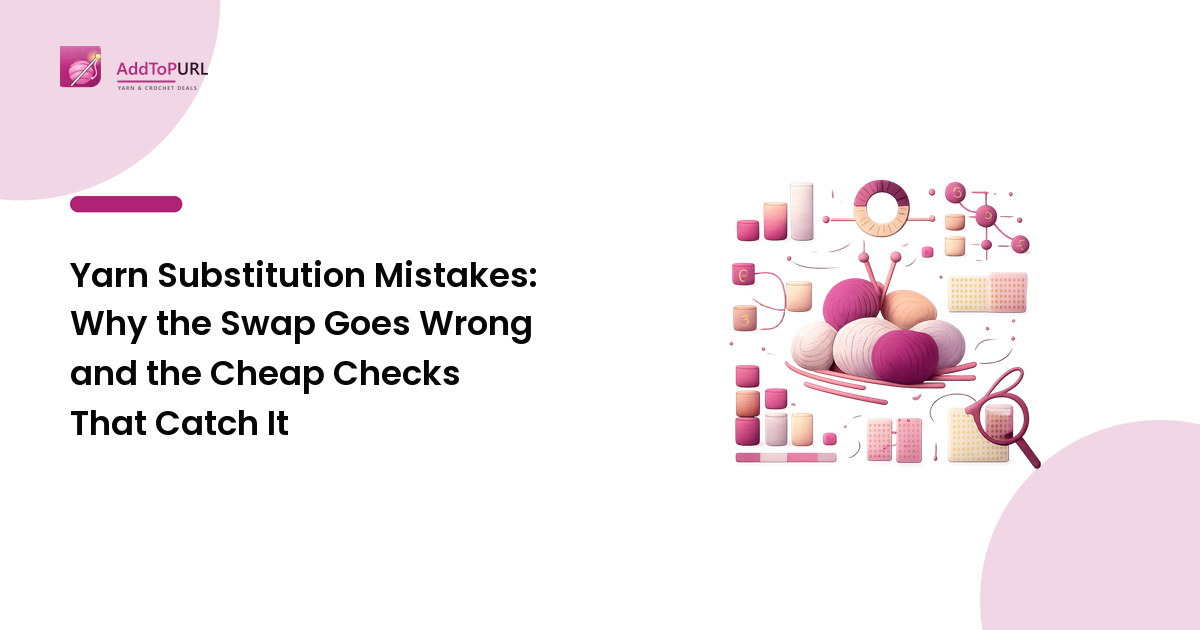
- Match the yarn weight category first. Craft Yarn Council numbers (#0 lace through #7 jumbo) printed on the ball band are the starting point. Weight and fiber both drive fabric — see our complete guide to yarn weights and fibers.
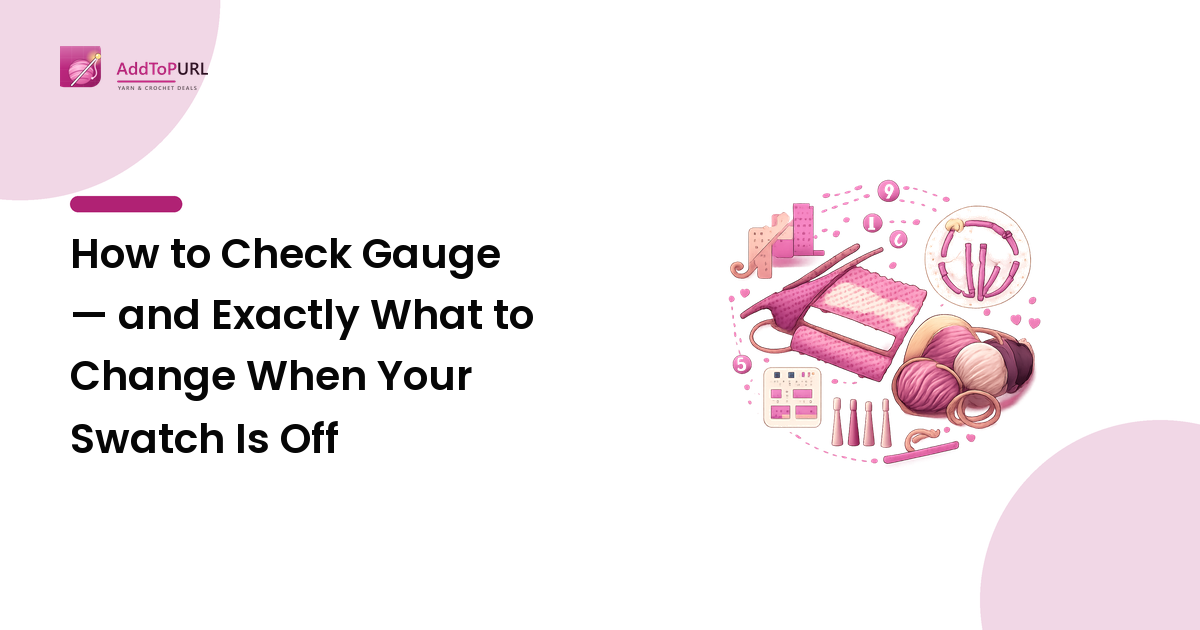
- Swatch, wash, and block exactly as the finished piece will be treated. Measure stitches and rows per 4 in / 10 cm after drying. Unwashed gauge misleads on every fiber and lies outright on cotton.
- Hang the swatch. Clip it up with a weight for a day. Cotton and heavy blends show their growth here, not on a flat table.
- Adjust with hook or needle size, not tension. Go up a size for a looser fabric, down for firmer. Sizing labels differ between US, UK, and AU conventions, so buy by millimetre and check what your pattern specifies.
- Recalculate yardage. Fibers of the same weight category can differ substantially in yards per ball, so compare total yardage rather than ball count.
If the pattern relies on ribbing, cables, or negative ease to fit, treat a wool-to-cotton substitution as a redesign rather than a swap.
FAQ
Is acrylic or cotton better for crochet?
It depends on the project. Cotton gives crisper stitch definition and suits amigurumi, dishcloths, bags, and summer garments; acrylic is cheaper, lighter, machine washable, and much kinder to beginners' hands. For a first crochet project, acrylic; for anything where stitch clarity or absorbency matters, cotton.
Is wool really warmer than acrylic?
Yes, weight for weight. Wool's crimped fibers trap air and it continues to insulate when damp, which acrylic does not. Acrylic still makes warm fabric, especially in thicker weights, but it breathes less, so it can feel clammy where wool feels dry.
Can you machine wash wool yarn?
Only if the ball band says superwash. Untreated wool felts when agitated in hot water — the scales on the fibers lock together irreversibly. Superwash wool has had those scales treated and usually tolerates a gentle machine cycle, but check the band and follow it.
Why does my cotton project keep stretching out?
Because cotton has almost no elasticity, so stretched stitches don't recover. Reduce the effect by working at a firmer gauge, choosing a tightly plied cotton or a cotton blend with some acrylic or elastane, and storing finished pieces folded rather than hanging.
Which yarn fiber is best for beginners?
A smooth, light-coloured, tightly plied acrylic or wool-acrylic blend in #4 worsted weight. It's forgiving of uneven tension, easy to frog and rework, inexpensive enough to practise on, and light colours make your stitches visible while you learn to read the fabric.
Ready to pick your fiber? Once you know whether your project wants wool's spring, cotton's crispness, or acrylic's washability, the last step is sourcing it. Compare curated wool, cotton, and acrylic yarns on AddTopURL — listings are organised by fiber, weight, and budget, and each links out to a trusted retailer, with a deals feed for current offers. Disclosure: AddTopURL earns a commission when you buy through its retailer links; it never changes what we recommend.